Nonprofit Insurance: Protecting Your Texas Org
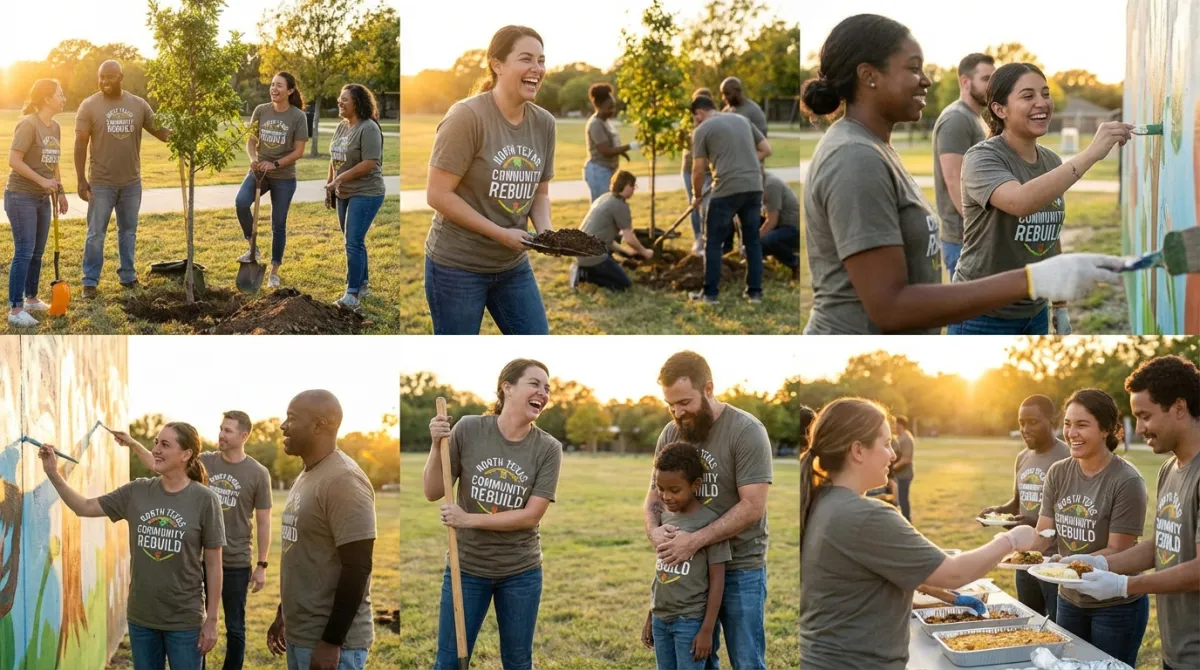
Texas has more than 100,000 registered nonprofits — the second-highest count in the nation — and North Texas is home to one of the densest concentrations of charitable organizations, churches, and community groups in the state. These organizations do vital work, but they face the same liability risks as any business plus unique exposures that standard commercial insurance doesn’t address. A D&O claim against your volunteer board, an abuse allegation at a youth program, or a slip-and-fall at a fundraising event can threaten the mission you’ve spent years building. Nonprofit insurance provides the specialized protection that keeps your organization serving its community.
The Unique Risk Profile of Nonprofits
Nonprofits operate differently from for-profit businesses, and those differences create distinct insurance challenges:
Volunteer workforce. Most nonprofits rely heavily on volunteers who lack the training, supervision, and accountability of paid employees. Volunteers drive vehicles on organizational business, interact with vulnerable populations, handle cash and donations, and represent the organization at public events. Every volunteer interaction creates potential liability that your organization must cover.
Volunteer board governance. Nonprofit boards consist of unpaid directors and officers who make binding decisions on behalf of the organization. These board members face personal liability for financial mismanagement, employment decisions, regulatory violations, and breach of fiduciary duty. Without Directors & Officers (D&O) insurance, board members’ personal assets are at risk — and good board candidates won’t serve on an unprotected board.
Vulnerable populations. Many nonprofits serve children, elderly individuals, disabled persons, homeless populations, and other groups that courts consider especially vulnerable. Claims involving vulnerable populations receive heightened scrutiny and often result in larger verdicts. Organizations that serve these populations need enhanced coverage, including abuse and molestation protection.
Event-driven operations. Fundraisers, galas, community events, mission trips, and volunteer projects create concentrated liability exposure on specific dates. A marathon fundraiser, a church carnival, or a Habitat-style build day can each generate multiple injury claims from a single event.
Donated assets and shared spaces. Nonprofits often operate in donated, leased, or shared facilities and use donated vehicles, equipment, and supplies. The ownership and maintenance responsibilities for these assets create complex liability questions that your insurance program must address clearly.
Essential Coverages for Texas Nonprofits
A comprehensive nonprofit insurance program includes several specialized coverages that go beyond standard commercial GL:
Directors & Officers (D&O) Insurance
D&O coverage is the single most important policy for any nonprofit with a governing board. It protects individual board members and officers against personal liability for decisions they make in their governance roles.
Common D&O claims against nonprofits include:
- Financial mismanagement — allegations that the board failed to properly oversee organizational finances
- Employment practices — wrongful termination, discrimination, and harassment claims brought by employees
- Regulatory violations — failure to comply with state reporting requirements, IRS nonprofit rules, or donor restrictions
- Breach of fiduciary duty — claims that board members acted in their own interest rather than the organization’s
In North Texas, where nonprofits compete for experienced board members, D&O insurance is a recruiting tool. Qualified professionals — attorneys, accountants, business owners — will not serve on a board that doesn’t carry D&O coverage. The personal liability exposure is simply too high.
Abuse and Molestation Coverage
Any nonprofit that works with minors, elderly persons, or other vulnerable populations needs abuse and molestation coverage. This specialized endorsement covers:
- Defense costs for abuse allegations against staff, volunteers, or program participants
- Settlement and judgment costs if allegations are proven
- Crisis management and counseling expenses for victims
- Regulatory investigation costs
Churches, youth organizations, childcare programs, mentoring nonprofits, and elder care providers face the highest exposure. Texas law requires mandatory reporting of suspected abuse, and investigations can proceed even when allegations are ultimately unfounded. The defense costs alone can consume a small nonprofit’s entire annual budget.
General Liability and Commercial Property
Standard general liability covers the basics: bodily injury to visitors, property damage, and personal injury claims (libel, slander). Commercial property covers your building (if owned), contents, equipment, and supplies.
For nonprofits that operate from church buildings, community centers, or shared office space, property coverage can be complex. You need to clearly establish what you own versus what the building owner insures, and your policy must cover any tenant improvements you’ve made.
Event Liability
Nonprofits host more events per employee than almost any other type of organization. Each event — fundraising gala, community festival, volunteer build day, mission trip, sports league, or church picnic — creates concentrated liability exposure.
Event liability coverage can be structured as an endorsement on your annual GL policy or as standalone event-specific policies for larger activities. For events involving alcohol (fundraising galas, wine tastings), you’ll also need liquor liability coverage for that specific event.
Workers Compensation and Volunteer Accident
If your nonprofit has W-2 employees — even just one part-time staff member — Texas law gives you the choice between traditional workers compensation and a non-subscription plan. Beyond employees, volunteer accident coverage provides medical payments and disability benefits for volunteers injured while performing organizational duties. This coverage fills the gap between workers comp (which covers only employees) and GL (which may not cover volunteers performing assigned tasks).
North Texas Nonprofit Density
The Collin County area supports hundreds of active nonprofits spanning every mission category — food banks in Plano, youth mentoring programs in McKinney, faith-based organizations across every city, arts nonprofits in Frisco, environmental groups, veteran service organizations, and community development corporations. Many of these organizations operate on lean budgets and view insurance as an expense rather than an investment.
That perspective changes after the first claim. A single lawsuit — a volunteer injured during a build project, a board member sued for alleged financial mismanagement, an abuse allegation at a youth camp — can consume years of donor contributions and volunteer goodwill in legal fees alone. The organizations that survive these events are the ones that had proper insurance in place before the claim.
Protect the Mission You’ve Built
Your nonprofit exists to serve a purpose larger than any individual. Protecting that mission requires the same risk management discipline that any well-run business applies. The right insurance program covers your board, your staff, your volunteers, your property, and your events — so a single incident doesn’t end the work your community depends on.
Contact Collin County Insurance Group for a nonprofit insurance program tailored to your organization. We work with carriers that specialize in nonprofit and religious organization coverage, including programs for churches, youth organizations, community groups, and social service agencies. We’ll also coordinate your workers compensation and volunteer accident coverage so every person serving your mission is protected.