Horse Farm Insurance for Collin County Owners
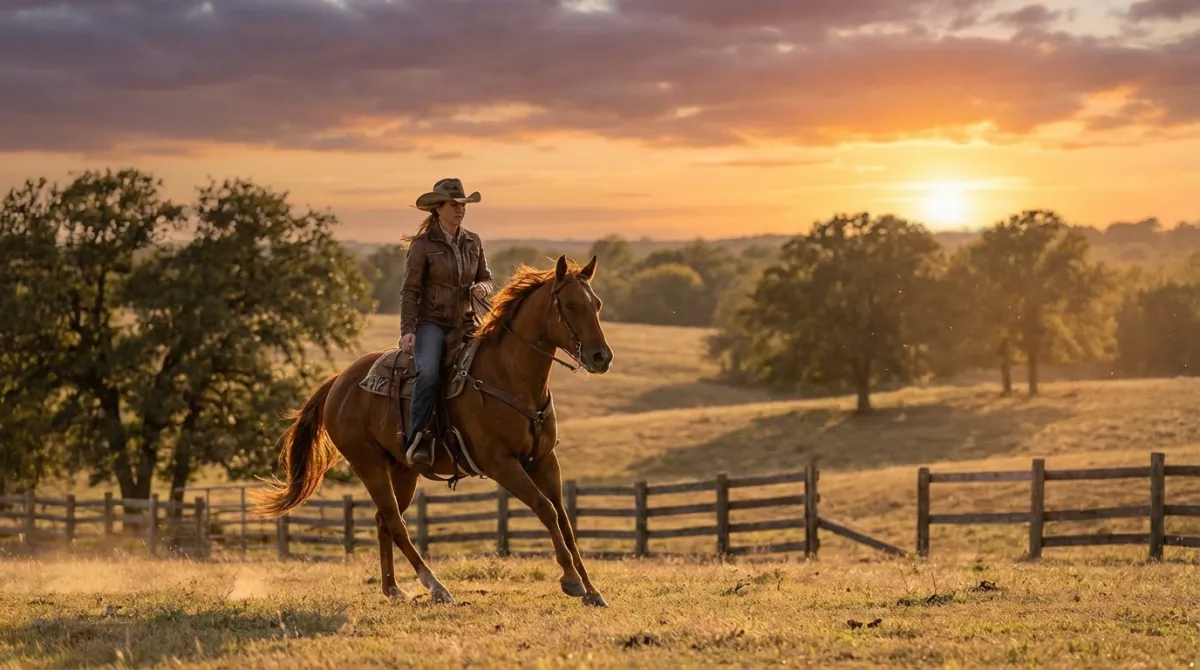
Collin County is home to one of the most active equine communities in Texas — from boarding facilities and riding academies in Prosper and Celina to breeding operations and private horse farms scattered across the rolling countryside north of McKinney. These operations generate real liability exposure that standard business insurance was never designed to cover. A single horse-related injury claim averages over $80,000, and wrongful death claims from riding accidents regularly exceed $1 million. If you own or operate any equine business in North Texas, horse farm insurance is the specialized coverage that stands between a bad day and a catastrophic loss.
Why Standard Policies Fail Equine Operations
Standard commercial general liability and homeowners insurance policies contain exclusions that specifically eliminate coverage for animal-related risks. Most general liability policies exclude or severely limit coverage for:
Animal-owned liability. If your horse kicks a visitor, bites a farrier, or throws a rider, your standard GL policy may deny the claim under its animal exclusion. Horse-related injuries are inherently unpredictable, and standard insurers don’t want the exposure.
Care, custody, and control. When you board, train, or transport someone else’s horse, you assume responsibility for that animal. Standard policies exclude liability for property (including animals) in your care, custody, or control. If a boarded horse is injured due to a fence failure, a feed contamination event, or an accident during turnout, your standard policy won’t pay.
Professional services. If you provide riding instruction, training, or breeding services, any claim arising from those professional activities falls outside standard GL coverage. A student who falls during a lesson, a client whose horse is injured during training, or a buyer who receives a horse with undisclosed health issues — these are all professional liability claims that require specialized coverage.
Homeowners policy limitations. Many private horse owners assume their homeowners insurance covers horse-related incidents on their property. In most cases, it doesn’t — or the limits are dangerously low. If your horse injures a neighbor’s child who wandered onto your pasture, your homeowners policy may exclude the claim entirely because it involves a “business pursuit” (even if you consider your horses a hobby).
The Texas Equine Activity Liability Act
Texas provides some legal protection to equine professionals through the Texas Equine Activity Liability Act (Civil Practice and Remedies Code, Chapter 87). This law limits liability for injuries resulting from the “inherent risks” of equine activities — risks that are natural to horseback riding, training, and handling that exist regardless of how careful the operator is.
Under this law, equine professionals are generally not liable for injuries caused by the animal’s unpredictable behavior, the rider’s inexperience, or hazards inherent to equestrian activities — as long as proper warning signs are posted and the professional doesn’t act with gross negligence.
However, the Act has important limitations:
- It does not eliminate all liability — only liability for “inherent risks”
- It does not protect against claims of negligence in facility maintenance, equipment condition, or supervision
- It requires specific warning signs to be posted at entry points — failure to post these signs forfeits the protection
- It does not apply to spectators who are injured at equine events without participating in the activity
The Act reduces your exposure but doesn’t eliminate it. A participant who falls because of a defective saddle, a poorly maintained arena fence, or inadequate supervision has a valid negligence claim that the Act won’t block. Horse farm insurance covers these gaps.
What Equine Insurance Covers
A comprehensive horse farm insurance program addresses the unique risks of equine operations through several specialized coverages:
Commercial equine liability covers bodily injury and property damage claims arising from your equine operations — riding lessons, boarding, training, breeding, farrier services, and equine events. This is the foundation of any equine insurance program.
Care, custody, and control coverage protects you when animals owned by others are injured or killed while in your care. Whether you board horses, provide veterinary layups, or transport client horses to shows, this coverage pays when things go wrong with animals you’re responsible for.
Horse club and association coverage serves organizations that host trail rides, shows, clinics, and social events. This covers the organization’s liability for member and spectator injuries during organized activities.
Livestock mortality insurance protects the financial value of your own horses. If a horse dies from illness, accident, or injury, mortality insurance pays the animal’s insured value. For breeding stallions, competition horses, and broodmares with significant market value, this coverage is essential.
Equipment and tack coverage protects your saddles, trailers, fencing, barn equipment, and other specialized property. Horse equipment is expensive and often stored in vulnerable locations — barns, trailers, and tack rooms that are targets for theft and weather damage.
Farm property and liability provides broader protection for your land, structures, fencing, and farm operations beyond the equine-specific coverages. This includes your barn, arena, pastures, and any non-equine agricultural activities on your property.
Collin County’s Thriving Equine Community
The equine industry in Collin County and surrounding North Texas counties supports thousands of horses and hundreds of equine businesses. The area’s mild climate, open land, and proximity to the DFW metroplex create ideal conditions for every type of equine operation:
Boarding facilities in Prosper, Celina, and north McKinney serve horse owners who live in suburban developments but want their horses nearby. These facilities face high liability exposure because they handle dozens of client horses daily and host regular visiting riders.
Riding academies and lesson barns teach students of all ages and skill levels. Every lesson creates liability exposure — falls, kicks, equipment failures, and student errors are constant risks that require robust coverage.
Breeding operations work with high-value animals where a single mortality loss can represent a six-figure investment. Care, custody, and control coverage is critical for any operation that handles mares, stallions, or foals owned by outside clients.
Show and event facilities host competitions, clinics, and trail rides that attract hundreds of participants and spectators. Event liability, spectator injury coverage, and vendor requirements all add complexity to the insurance program.
Private horse owners with one to five horses on their own property need personal equine liability coverage. Your homeowners policy almost certainly doesn’t provide adequate coverage, especially if friends, family, or neighbors ever interact with your horses.
Protect Your Equine Operation
Horses are unpredictable. No matter how experienced you are, how well-maintained your facility is, or how carefully you screen your riders, accidents happen. The question isn’t whether a claim will occur — it’s whether you’ll have the right coverage in place when it does.
Contact Collin County Insurance Group for a horse farm insurance quote designed for your specific operation. Whether you run a large boarding and training facility or keep a few horses on your own land, we’ll build a program that covers your animals, your property, your liability, and your livelihood. We also offer business insurance for equine operations that need broader commercial coverage beyond their equine-specific policies.