Contractors Insurance: A North Texas Trade Guide
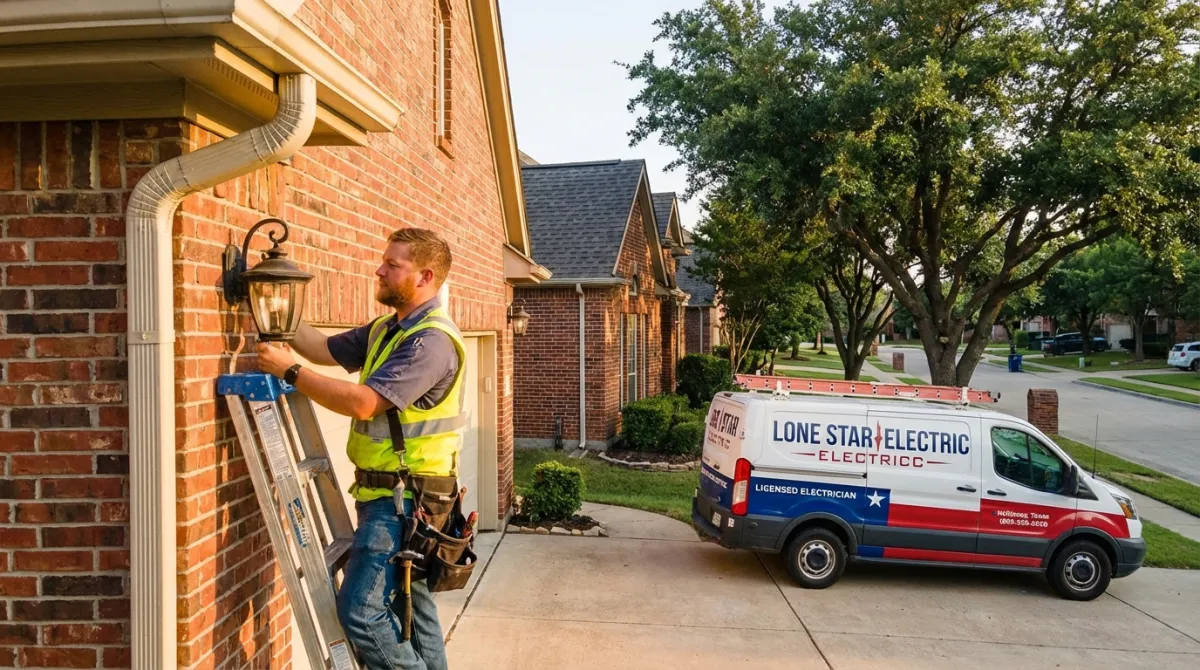
North Texas is one of the fastest-growing construction markets in the country — Collin County alone issued over 8,000 residential building permits in the past year, and commercial development across Frisco, McKinney, Prosper, and Celina shows no signs of slowing down. If you’re a contractor working in this market, every general contractor and property owner you work for will demand one thing before you set foot on their job site: a certificate of insurance (COI) proving you carry adequate contractors insurance.
Core Coverages Every Contractor Needs
Regardless of your trade, four foundational coverages form the backbone of any contractors insurance program:
General Liability (GL) protects you when your work causes bodily injury to a third party or damages someone else’s property. A plumber who floods a homeowner’s kitchen, an electrician whose wiring causes a fire, or a painter who damages a client’s hardwood floor — these are all GL claims. Most GCs require subcontractors to carry at least $1 million per occurrence and $2 million aggregate.
Commercial Property covers your tools, equipment, and materials — whether stored at your shop, on a job site, or in transit. A theft from your work truck, a fire at your storage facility, or vandalism at an overnight job site are all covered events.
Workers Compensation is legally required for Texas employers who choose to subscribe to the state system. Even if you opt for a Texas non-subscription plan (which can save 25–30%), you need some form of employee injury coverage. Injured workers who aren’t covered create enormous liability exposure.
Commercial Auto covers your work trucks, vans, and any vehicles used for business purposes. Personal auto policies exclude commercial use — if your electrician drives a company van to a job site and causes an accident, your personal auto policy won’t pay the claim.
Beyond these four, many contractors also need umbrella/excess liability (extends your limits beyond the underlying GL and auto policies), inland marine (covers tools and equipment in transit), and builders risk (covers structures under construction).
Trade-by-Trade Breakdown
Each construction trade carries unique risks that affect your coverage needs and your premium costs. Here’s what the major trades need to know:
Electricians
Electricians face significant liability exposure because faulty wiring can cause fires, electrocution, and property damage — sometimes years after the work is completed. Your GL policy must include completed operations coverage that protects you even after the job is finished and you’ve left the site. Expect GL rates in the mid-range for artisan trades, but any fire-related claim can spike your experience mod quickly. Code compliance documentation is your best defense against future claims.
HVAC Contractors
HVAC contractors handle refrigerants, gas lines, and electrical connections — a combination that creates fire, explosion, and environmental exposure. Your GL policy should cover pollution incidents from refrigerant releases, and you’ll need adequate inland marine coverage for expensive diagnostic equipment and recovery machines. HVAC contractors in Collin County stay busy year-round, which means higher payroll volumes and correspondingly higher workers comp premiums.
Roofers
Roofing is one of the highest-hazard classifications in the construction industry. Workers comp premiums for roofers are among the most expensive of any trade because of the frequency and severity of fall-related injuries. GL rates are also elevated because roof work affects the entire structure beneath it. Important: Texas non-subscription plans exclude roofers — you must carry traditional workers compensation. Finding affordable roofing insurance requires working with carriers that specialize in high-hazard trades, like Kinsale or West Congress through specialty MGA programs.
Plumbers
Plumbing contractors face water damage liability that can escalate rapidly. A broken supply line in a finished home can cause tens of thousands of dollars in damage within hours. Your GL policy needs adequate per-occurrence limits, and completed operations coverage is critical because leaks often develop weeks or months after installation. Plumbers who work with gas lines need additional coverage for explosion and fire liability.
General Contractors
GCs carry the broadest exposure because they’re responsible for the entire project and every subcontractor on site. Your coverage needs include higher GL limits (often $2M/$4M or more), umbrella coverage of $5M or more, builders risk for structures under construction, and a robust subcontractor management program that verifies every sub carries adequate insurance before they start work. GCs also need professional liability if they provide any design services or construction management.
Painters and Drywall
These trades carry moderate GL risk but face specific exposures around property damage (paint overspray on vehicles, texture on surfaces where it doesn’t belong) and workers comp claims from repetitive motion injuries and falls from ladders and scaffolding. Rates are generally lower than high-hazard trades, but claims from prep work damage (sanding, scraping, power washing) can add up.
Concrete and Masonry
Heavy materials, high-heat work, and structural importance make concrete and masonry moderately high-risk trades. Workers comp exposure includes back injuries from lifting, heat-related illness, and saw and cutting injuries. GL exposure centers on structural failure — if a foundation cracks or a retaining wall collapses, the claim can be catastrophic.
The Collin County Construction Boom
The North Texas construction market creates both opportunity and risk for contractors. Cities like Prosper, Celina, and Anna are expanding rapidly, and established markets like Plano, Frisco, and McKinney continue to see significant commercial and residential development. This growth means steady work — but it also means more GCs demanding COIs, more job site inspections, and more scrutiny of your coverage.
Property owners and general contractors in Collin County are increasingly requiring additional insured endorsements on subcontractor GL policies, waiver of subrogation endorsements on workers comp policies, and primary and non-contributory language that ensures your coverage responds first in a claim. If your current policy can’t accommodate these requirements, you’ll lose jobs to competitors who can.
Same-Day COI: Why Turnaround Matters
In a competitive market, the contractor who can produce a compliant COI fastest wins the job. We’ve seen North Texas contractors lose six-figure subcontracts because their insurance agent took three days to issue a certificate. Our process delivers same-day COIs with whatever endorsements the GC requires — additional insured, waiver of subrogation, primary/non-contributory, per-project aggregate — so you never lose a job waiting on paperwork.
Get Covered and Get to Work
Every trade has different risks, different rate structures, and different coverage requirements. A one-size-fits-all contractors insurance policy leaves gaps that can cost you a job or a lawsuit. The right approach matches your specific trade, your project types, and your risk profile to a program built for your work.
Contact Collin County Insurance Group for a contractors insurance quote tailored to your trade. We work with multiple carriers and specialty MGAs that serve the North Texas construction market, including programs for hard-to-place trades like roofing and environmental contractors. We’ll also coordinate your workers compensation and commercial auto into a single, streamlined program with same-day COI capabilities.